
 Marco Kohnsreflections8 min read
Stoic Journal: How I Keep One, After 5 Years of Weekly Practice
How to keep a stoic journal, from someone who has written one every week for over five years: the structure, the questions, and the free template I use.

A stoic journal is a written reflection you run on a fixed cadence, structured around the questions the Stoics kept returning to: what upset me, what is inside my control, what am I grateful for, and where did I fall short of the person I want to be. I have kept one every week for more than five years.
This is how mine is structured, what changed because of it, and the free template I open every week. If you would rather start from a list of questions than a system, I have also published 100 journal prompts from the same practice.
What Goes in a Stoic Journal: the Structure I Use
Based on the weekly stoic reflection template, I am taking somewhere between 5-30mins (depending how I feel) writing a stoic reflection every week with the following structure.
These could as well be used as stoic daily reflection questions for example. The key is to simply find your own rhythm that works best for you. All I am aiming for with this article is to inspire you to do your own personal version of this. Only you yourself know whether doing this practice is right for you as well as in what cadence you wanna do it. This could be anything from annual, monthly, weekly to even daily. I found the weekly rhythm to be the sweet spot for me personally.
| Section | What it is for |
|---|---|
| Short summary of the week | Events, travel, and where the entry is being written from |
| Anger, envy, and what upset you | Triggers noticed in daily life, and why they affect you and not most others |
| Failures, improvement, inner peace | What disturbed your peace, and which habit change prevents a repeat. Not an exercise in self-criticism |
| Three things I am grateful for | Weekly and deliberately small. Consistency does the work |
| Goals achieved | Split professional and private, including the small steps worth counting |
| State of mind and thoughts | Unstructured writing, for clarity on whatever dominated the week |
Short summary of the week
Quick summary of events, where I might have travelled, where I am writing the reflection from. This could simply be something like the following examples from my reflections:
- “calm weekend as I was kinda tired from work; busy workweek and really enjoyed seeing x friend again” as well as
- “Crazy week, got promoted and am writing this reflection from Japan; travelling a lot lately for work - just got back from San Francisco last week!” or
- “Holy shit; I got my first sale on my new side project mypassion.ai”
- “Probably did the most stupid mistake ever this week and still thinking about this stupid thing xxx”
Did I experience anger? envy? lust? Why did the week’s events upset me? What could I have done to avoid getting upset?
This is mostly related to triggers I am noticing in daily life. Less about things to improve on myself. The goal here is to better understand myself by asking myself what triggered me during the week and why this has done so. I am asking myself questions like:
- Why am I triggered by this one colleague calling me out in a meeting?
- Why was I a little upset about this and what can I learn from it?
- How can I become a more reflective person, more at peace with a similar situation in the future?
- Why did this trigger something in me and likely won’t trigger most others?
- What can I learn about myself from this?
What failures have you overcome? Where can you improve? What has disturbed my inner peace?
-
What can I improve
- What has disturbed my inner peace this week? What have I not done well that does not align with my values that is not to happen again? What change in my daily habits might be necessary to prevent this from happening again and having more inner peace?
- I used to be very self critical, especially at work, but it is important here not to be harsh with yourself
- Could be as little as, sending that message to my mom when being abroad
3 things I am grateful for
Gratitude simply always reminds ourselves to be grateful, especially for the smaller things in life. No rocket science, but as usual, simple consistent practice at least weekly makes a big difference. I used to do this practice daily in my morning routine as a stoic morning reflection as well as a quick stoic evening reflection before going to sleep.
However, personally, I am not always following a strict morning routine as I don’t like to be too strict on myself either. We don’t just want to end up as self-improving machines forgetting to live life along the way, do we?
- I was so happy about and am so grateful about my friend x who reached out to me after a long time
- I am grateful for my tasty morning coffee
- I am so grateful to be able to write this reflection at my cozy and warm home right now
What goals did I achieve?
Professional life
Based on the goals I set for myself in a professional context such as lifelong (self) education and up-skilling, passion projects or side projects I am working on as well as some noteworthy achievements in my main job or business.
- Making progress on my passion projects and having reached my goal of publishing 1 blog post per week
- Having read 2h this week
- Certain achievements at work, having delivered a project with positive feedback or new clients and revenue milestones in the business
Private life
What little steps, baby steps and also bigger goals have I achieved this week to celebrate? Privately, such as
- going to the gym twice, regular sport
- Having meditated three times this week
State of mind and thoughts
What is on my mind right now and what are my thoughts? Writing about this in an unstructured way helps me get more clarity on the key topics that kept my mind busy this particular week. I am also using this writing for clarity reflecting on key life events and bigger decision I made or I am about to make. It is the section where I think through the kind of cross-roads I wrote about in why I quit my six-figure job at 27.
One Entry from My Own Journal: the “Thoughts” Section
An excerpt from one of my reflections:
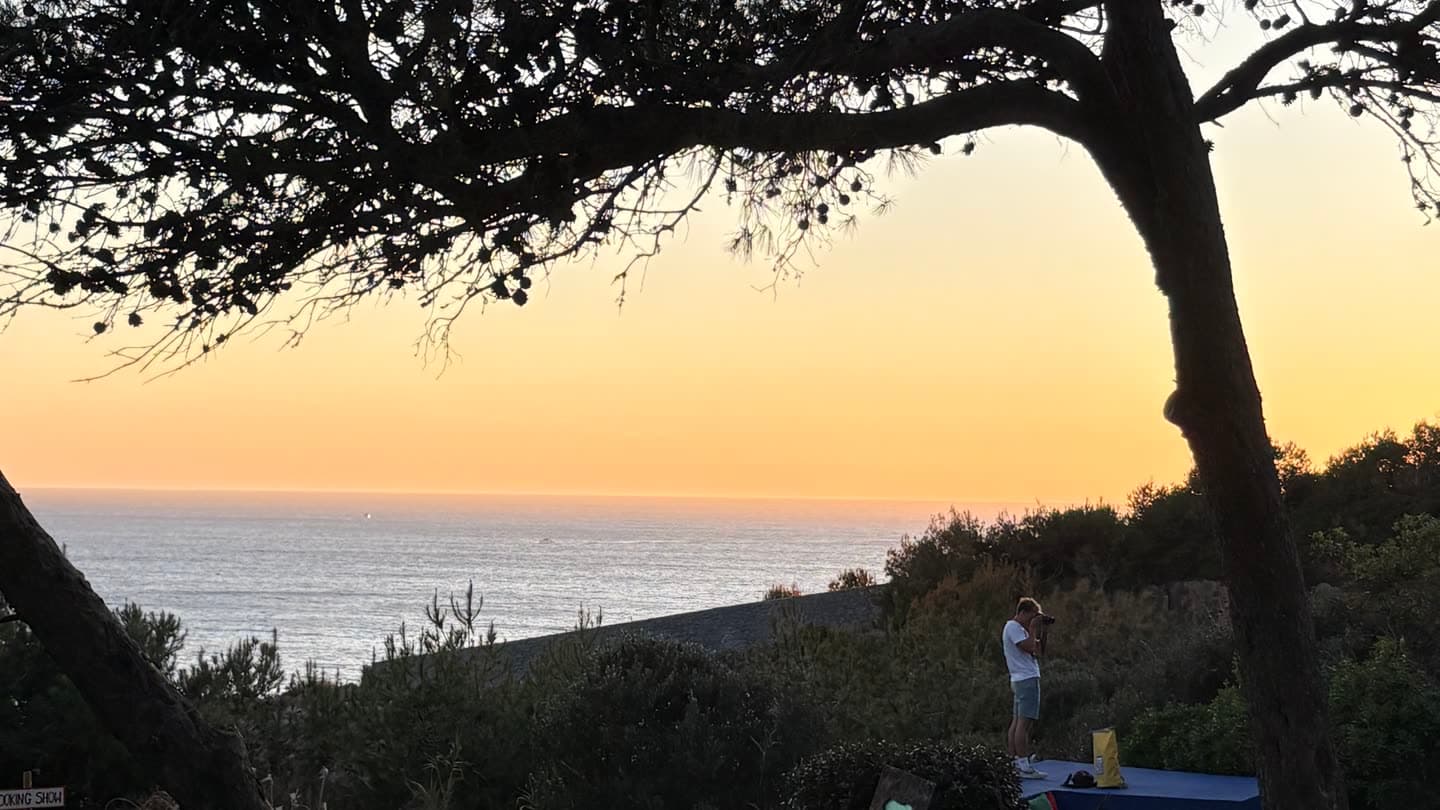
“I do believe life operates in cycles, kind of like a rollercoaster. Sometimes it goes up, sometimes it goes down. I do believe as long as we are willing to reflect on the down phases and try to get the lessons life tries to teach us during these phases, life will always go up again.
That is the ultimate spark of hope. It means when times are worst, it can only get better. It also teaches humility to be grateful when times are great because worse times may just be around the corner again.
While at a societal level, as explained in Yuval Noah Harari’s famous book Sapiens, history unfortunately tends to repeat itself but at least on our own personal level at least we can learn lessons during the down phases, the necessary and unavoidable tough times in life, potentially taking a hard decision to change the circumstances that got us into this down phase in the first place.
We can come out stronger, prepared for better times life has yet to offer - based on this philosophy. In hindsight, I do believe when we go through much struggle life is testing whether we are ready for the next chapter and tested whether we are ready to get to the next level in the game of “life”. I am.”
Which Stoics This Draws On
These reflections are based on Seneca, Aurelius among other well-known Stoics. Mostly the book A Guide to the Good Life: The Ancient Art of Stoic Joy among others from well-known stoic philosophers such as Seneca’s letters and Marcus Aurelius’s meditations mainly inspired this approach.
Conclusion
The stoic weekly reflection was and still is one of the most powerful tools I use to sort of do a regular “self therapy” every single week by looking into myself, by being honest with myself about the positive as well as negative situations life throws at me, and by better understanding my inner intellectual and emotional state.
This allows me to zoom out, look at life from the bigger perspective, what matters in the bigger picture of things, and to use life’s, sometimes little, sometimes big, daily struggles as a tool to listen into myself and improve continuously emotionally, spiritually and philosophically.
Stoic self reflection allows me to stay grounded and humble. It also is a tool that allows you to go back in time and reflect on your “state of mind” from months or years before to see how your character and mind evolved - especially in phases in which we struggle; when life challenges us the most.
I encourage you to give it a try to start reflecting weekly on whatever questions are most relevant to you. You can use the same or totally different questions, and reflect on the topics that are most important to you personally.
All I am sharing in this article is simply inspiration from my personal use. The only person knowing what is right for you, what the right questions to reflect on are, is yourself.
Stoic reflection improved my decision making in private life and in the ventures I build, and it continues to have a positive impact on my life. I can only think of continuous learning and reading, regular sports and meditation being routines of similar value as a weekly stoic reflection habit. This can have the same impact on you. You just need to give it a try and you can easily get started today by using the free weekly reflection template.
The books behind this practice, and everything else I read, sit on my inspiration page.